
01
Education
A free school for more than 1,160 children: classrooms, teacher salaries, books, pencils, shoes, school lunches and a safe place to learn.
Our story
Hopeful Smiles began in 2016 as a free school under a mango tree. Ten years later it is a community-based organisation working with more than 1,160 children and their families — in education, women's livelihoods, farming, water and health.

Founding story
In 2016, Betty and Francis Tibagye opened a free primary school in Bulopa. The first classes met under a mango tree. There were more children than classrooms, and more need than money.
They did not turn anyone away. The school took in children whose families could not afford the costs that keep a child out of school — the children the founders had built the school for.
By 2018, the register held hundreds of children, with 320 new pupils arriving in a single year. A sponsored run organised by friends in Germany funded the first permanent classroom block. Pupils at Grundschule Zellertal raised the money for seating, a girls' latrine and blackboards. The school began to look like a school.
Then came the pandemic. Schools closed. Funding stopped. The buildings stood empty, and the community carried the relationships through two difficult years. When the school reopened, the need had grown: more children, fewer resources, and families whose incomes had disappeared.
The answer was not to become a bigger school. It was to become a community organisation. Women's groups, farmer training, seed and animal donations, a storage facility, water points and men's circles are now part of the same body of work. The school remains the centre, but the household is the unit of change.
Today there are more than 1,160 children in school, 320 new pupils every year, and 20 projects at different stages. Some are finished. Most are ongoing. A few are waiting for the next funder. The school is still free. That is the promise that has not changed.

What we do
The school is the door. These are the rooms behind it.
01
A free school for more than 1,160 children: classrooms, teacher salaries, books, pencils, shoes, school lunches and a safe place to learn.
02
Pads and dignity kits, a private latrine, menstrual health education, savings groups and a tailoring cooperative led by women.
03
Seed and animal donations, farmer training, a school farm, a grain store and a soap-making unit — income the community owns.
04
Boreholes, hand-washing stations, community health outreach and the practical work of keeping children well enough to stay in class.
Alongside these four programmes, community projects include men's circles on fatherhood and violence, child protection training, sports, music and the school's arts programme.
How we work
A CBO is only as strong as the people who show up for it. These are the rules we hold ourselves to.
01
The organisation was started by people who live here. Parents, teachers, farmers and community representatives shape the priorities.
02
Every project has a budget. Receipts are kept. The German association receives an annual account, and the records we can publish are on the transparency page.
03
Teachers, farmers and project staff come from the community. Money goes to the work, not to a headquarters in another country.
Milestones
The years that changed the shape of the work.
Betty and Francis Tibagye open a free school. The first lessons happen under a mango tree.
A sponsored run and a school fundraiser in Germany pay for a classroom block, seating, blackboards and a girls' latrine.
The German friends' association is formed to pass donations through in full and receive an annual account.
Schools close during the pandemic. Funding stops. The community keeps the relationships and reopens when it can.
Boreholes, women's groups, seed and animal donations, farmer training and a grain store join the school programme.
The school is still free. The organisation is still locally led. The next phase is water, storage and teacher pay.
People
Leadership is not anonymous here. These are the adults who sign the budgets and answer the questions.
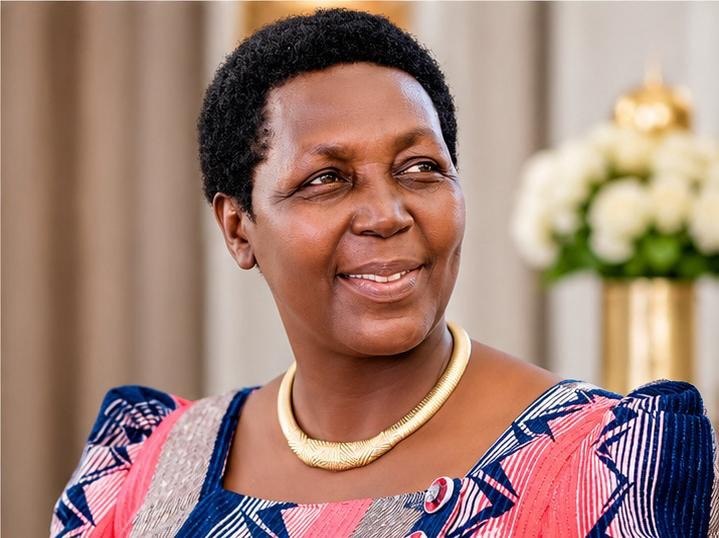
Founder & Director
Co-founded the school in 2016 and leads its relationship with parents, teachers, farmers and supporters.
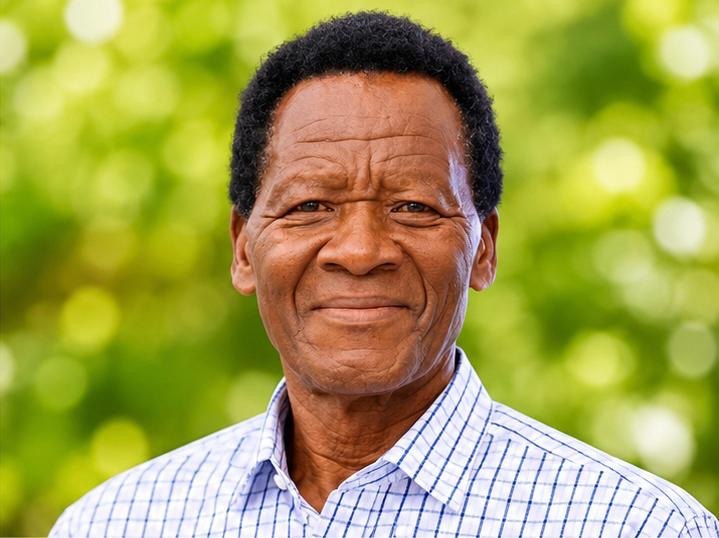
Co-founder
Co-founded the school and signed its CBO registration application with the sub-county in 2017.
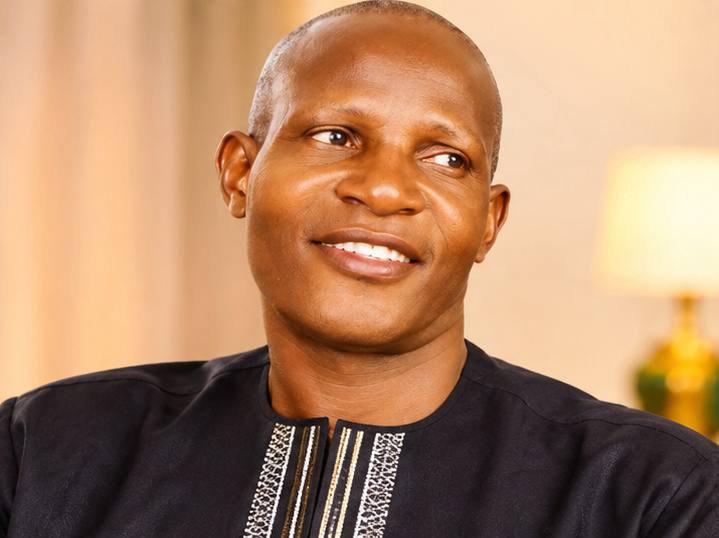
Head Teacher
Leads the teaching team and the school's reporting to its German partners.
The school management committee includes parents, teachers and community representatives. Its full membership list is available on request.
Legal identity
Governance
The German friends' association is a supporting partner, not a governing body. It receives the annual account and passes on donations in full.
Where we are
The map shows the centre of Bulopa, not the school itself — we do not publish a child's exact location.
Approximate centre of Bulopa. The school itself is not pinpointed. Open the map.
Visit us
We welcome donors, partners and journalists. A visit is the best way to understand what the community needs — and what it does not. Write ahead so someone can meet you and so we can agree on photographs and consent.